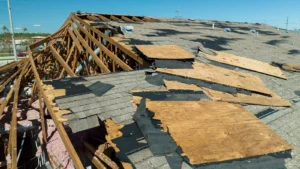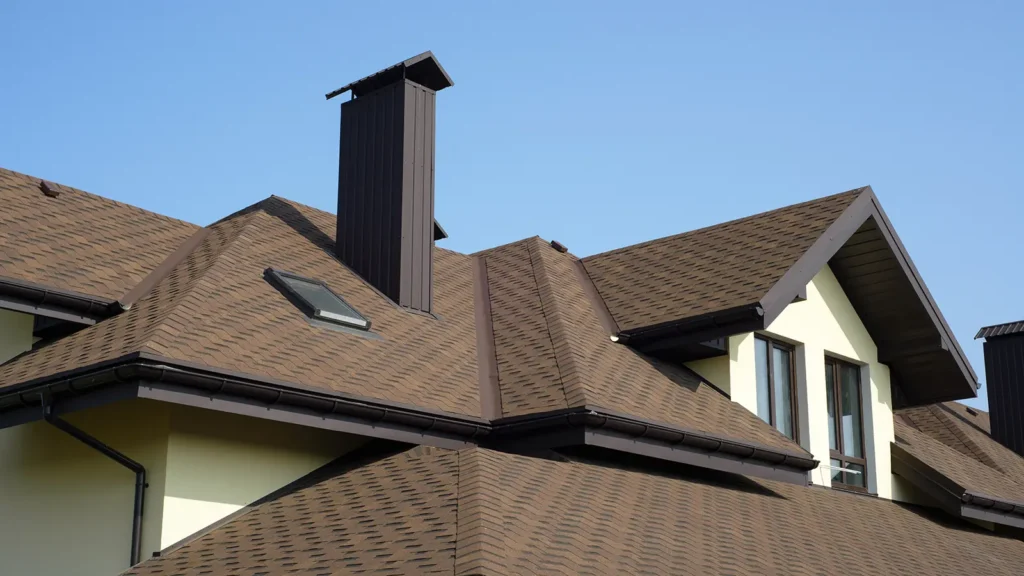
If you’re a homeowner in Louisville, Nashville, or anywhere across our service area and you’re thinking about selling, chances are you’ve looked up at your roof and wondered: Is it going to be a problem?
It’s one of the most common questions homeowners ask before listing — and one of the most important. A roof in poor condition can derail a sale, shrink your offers, or hand buyers a negotiating tool they’ll use against you. The good news is that the data is clear, and the path forward is more straightforward than most homeowners expect. Here’s what you need to know.
Key Takeaways:
- Homeowners typically recoup 60–70% of roof replacement costs in added resale value
- A new roof gives buyers confidence and appraisers a stronger basis for valuation
- Material selection relative to your neighborhood has a direct impact on your return
- A damaged or aging roof can drag down your appraised value even when everything else is in great shape
- Transferable manufacturer and workmanship warranties are documented selling assets that buyers and appraisers recognize
- Your local market — not just your roof — determines whether full replacement or targeted repair is the smarter move
Table of Contents

First Impressions Matter: What Buyers and Appraisers See When They Look at Your Roof
Your roof does two jobs at once when your home is on the market: it shapes what an appraiser puts on paper and what a buyer feels the moment they pull up to the curb. Those two things don’t always move in the same direction, and understanding both helps you make a smarter decision before you list.
Appraisers evaluate:
- The age, condition, and material of your roof are core components of the property assessment
- Whether existing damage, including structural damage from long-term water intrusion, affects the home’s overall integrity
- Transferable warranties as evidence of documented, long-term value
Buyers think about:
- Whether a roof signals a home that’s been taken care of — or one that’s been neglected
- The very real possibility of a major repair expense landing in their lap after closing
- Curb appeal: your roof covers roughly 40% of your home’s visible exterior, and worn or missing shingles raise doubts before a potential buyer ever walks through the door
In today’s housing market, buyer caution is high, and anything that signals future expense can shrink your offers or kill your deal entirely. A quality roof removes that risk on both fronts — giving appraisers something solid to work with and giving buyers one less reason to hesitate or negotiate down.
Roof Replacement ROI: What the Numbers Actually Show
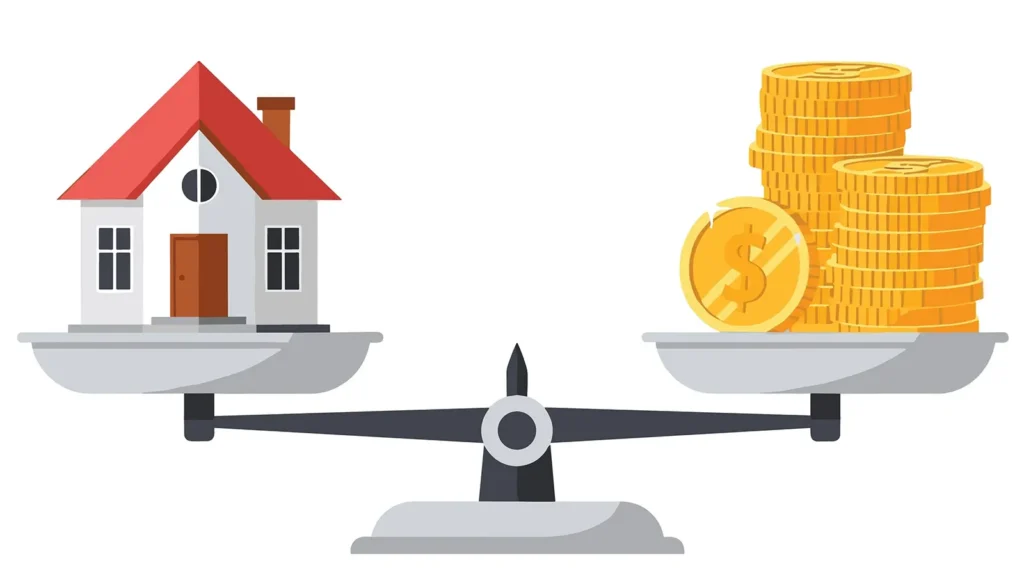
It’s easy to see a roof replacement as a pure expense. The numbers tell a more nuanced story — one that often makes a strong financial case for replacing before you list, especially when the alternative is a buyer using your old roof as leverage.
What the data shows:
- Homeowners recoup an average of 60–70% of replacement costs in added resale value, according to the Zonda/JLC Cost vs. Value Report
- A new asphalt shingle roof adds an average of $15,000–$20,000 to a home’s resale value nationally
- Homes with new roofs tend to sell faster and generate fewer concession requests than comparable homes with aging roofs
- A failing roof can cost you more in price reductions and lost deals than a full replacement would have
What shapes your return:
- Material: Asphalt shingles deliver the strongest ROI across most markets; premium options like metal or slate rarely recoup their full cost in standard residential neighborhoods
- Market conditions: In a competitive market, a new roof makes your home stand out; in a slower market, it’s often the baseline buyers expect just to make an offer
- Current roof condition: The worse the existing roof, the stronger the case for replacement — and the higher the relative return
The value of a new roof doesn’t always show up cleanly on a closing statement. It shows up in stronger offers, buyers who don’t walk after the inspection, and concessions you never had to make. For many homeowners, that’s where it makes all the difference.
Which Roofing Materials Add the Most Value?
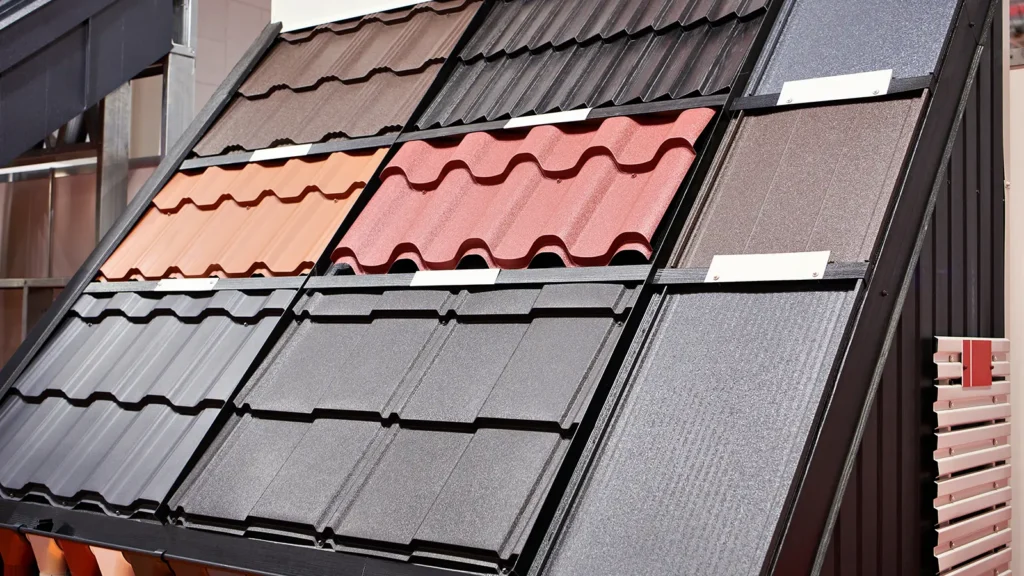
Not every roofing material returns the same investment, and choosing the wrong one — even a premium one — can actually hurt your resale position if it doesn’t match what buyers in your area expect. Here’s how the most common options stack up.
Asphalt Shingles
- The most widely used roofing material in the U.S., and consistently the most buyer-friendly at resale
- Delivers the strongest ROI for most markets, typically returning 60–70% of replacement cost
- Cost-effective, broadly available, and familiar to both appraisers and buyers
- Architectural (dimensional) shingles provide better performance and visual appeal than standard 3-tab at a modest premium
Metal Roofs
- Gaining popularity for their durability, energy efficiency, and long service life (40–70 years)
- A strong value-add in markets where buyers actively prioritize low-maintenance, long-term solutions
- Higher upfront cost means ROI at resale typically trails asphalt in conventional residential neighborhoods
- Works best where the home’s style and neighborhood demographics support the investment
Tile, Slate, and Wood Shingles
- Slate roofs and tile are premium materials that can meaningfully enhance resale value — in the right setting
- Most effective in higher-end neighborhoods where buyers already expect upscale finishes
- Significant added weight requires structural reinforcement; roof installation costs run substantially higher
- ROI varies considerably by market; always review local comps before committing to a luxury material
Cool Roofs and Energy-Efficient Options
- Engineered to reflect heat and lower cooling costs, a tangible benefit for homeowners facing high energy bills through warmer months
- Energy-efficient upgrades like cool roofing are gaining traction as a selling point with buyers and appraisers alike
- Delivers the most value in markets where summer heat and cooling costs are a consistent homeowner concern
- May qualify for energy efficiency incentives that reduce the net upfront cost
The rule of thumb: match your material to your market. A premium roof that doesn’t fit the neighborhood rarely recoups its cost, while a well-matched asphalt system almost always does.
Full Replacement or Repair: How to Make the Right Call
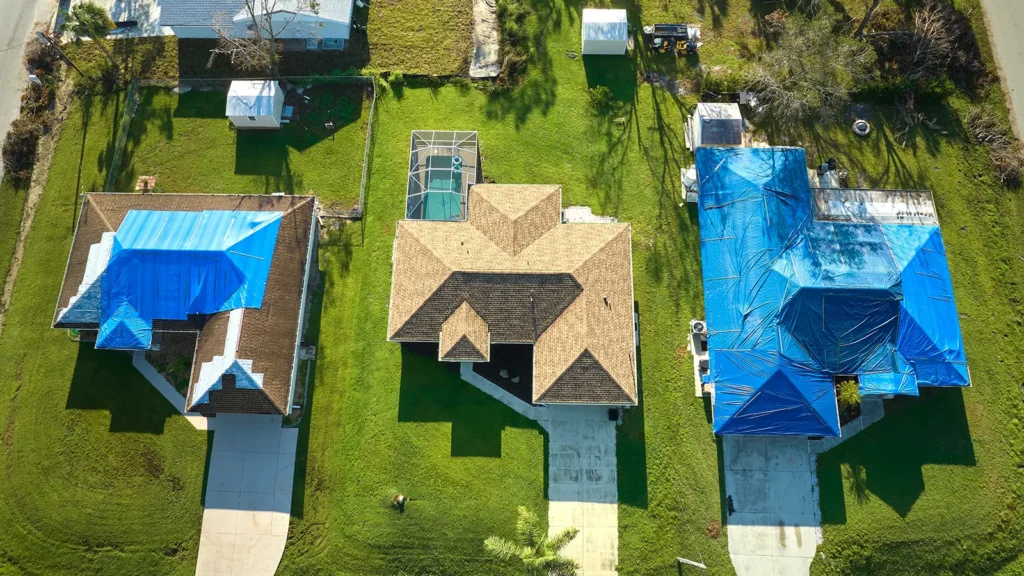
Most homeowners already know something is going on with their roof — they just aren’t sure how serious it is. Not every problem demands a full roof replacement, but not every repair is money well spent either. Here’s how to think through the decision clearly.
A full replacement makes sense when:
- Your roof is 20+ years old with widespread deterioration
- You’re dealing with multiple issues at once: active leaks, missing shingles, granule loss, sagging, or visible structural damage
- A buyer’s lender is likely to flag the roof as a financing condition
- Roof repair estimates are running at 50% or more of the full replacement cost
- You want the listing advantage and appraisal strength that only a new roof provides
Repair may be the right move when:
- Damage is localized: a handful of cracked or missing shingles, a small flashing issue
- A professional inspection confirms the roof has 5–10 years of serviceable life remaining
- The underlying structure is sound, and the fix is clean
- Repair costs are modest relative to what the home will sell for
A word of caution on partial re-roofing:
Replacing shingles section by section often creates a visible mismatch that can actually raise more questions with potential buyers than it answers. An old roof with obvious patchwork can signal poor condition just as readily as one that’s clearly failing. Factor the visual result into your decision, not just the line-item cost.
When you’re not sure, start with an inspection. A professional roof inspection typically runs $100–$400 and gives you the documentation to make a confident, defensible decision, whether that’s targeted roof repair, a full replacement, or listing as-is with appropriate pricing.
Should You Replace Your Roof Before Listing?
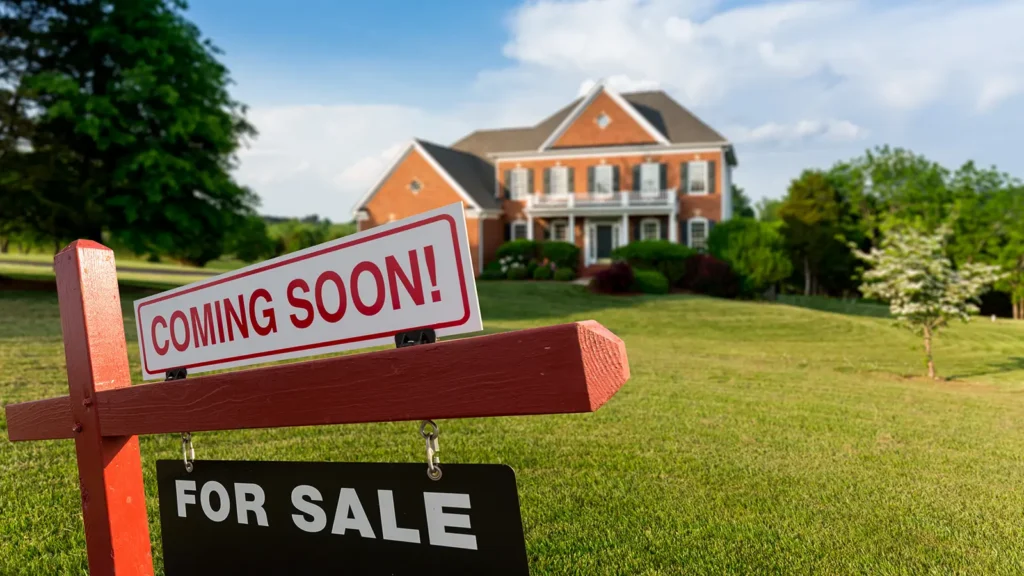
Timing a roof replacement around a home sale is less complicated than it sounds, but it does require honest answers to a few key questions: What does your roof actually look like right now? What will buyers and lenders expect in your market? And how much time do you have before you go live? Here are the clearest signals that replacement makes sense before you list.
Strong indicators you should replace before listing:
- Shingles are cracked, curling, buckling, or missing across multiple areas of the roof
- You’re seeing granule loss in the gutters or on the ground — a reliable sign the shingles are near the end of their useful life
- There are active leaks or signs of water intrusion in the attic or on interior ceilings
- The roof is 20–25 years old, even if it looks acceptable from the ground
- A pre-listing inspection flags it as a likely concern for buyers or lenders
Understand what lenders and buyers will require:
- FHA and VA loans carry strict roof condition standards; a roof in poor condition can end a deal at the financing stage
- Most buyers will request a roof inspection during due diligence — a troubled report reopens price negotiations
- Buyers who spot a problem roof on their own often walk away entirely, or come back with offers significantly below asking
On timing:
- Target replacement 1–3 months before your listing date: enough lead time for the work to be documented, not so much that the roof looks weathered in your listing photos
- Pull all permits, collect all warranties, and organize contractor paperwork before you go to market — these documents are selling tools, not just administrative records
When replacement isn’t the answer:
- A professional inspection comes back clean with meaningful remaining life
- Damage is truly isolated and can be repaired without creating a visible mismatch
- Your market and pricing strategy support an as-is sale with proper disclosure
The goal isn’t always a new roof. It’s making sure the roof isn’t the reason a buyer hesitates, negotiates, or walks.

How Your Local Real Estate Market Affects Roofing ROI
A new roof doesn’t return the same value everywhere. The real estate market in your specific area — Louisville, Nashville, Cleveland, Cincinnati, or wherever you’re selling — shapes how much of that investment you actually recover at closing. Understanding your market before you commit is just as important as understanding your roof.
In a seller’s market:
- Low inventory and high demand mean a new roof becomes a genuine differentiator, not just table stakes
- Documented improvements, like a new roof, attract stronger offers and reduce the likelihood of contingencies
- Competition among buyers limits their ability to negotiate down, which improves your effective ROI
In a buyer’s market:
- Buyers have more options and more leverage — a new roof is often expected, not rewarded with a premium
- Without it, you risk extended days on market and offers that reflect buyer skepticism about future repair costs
- Listing with an aging roof in a slow housing market is one of the fastest ways to attract lowball offers
Before you decide, consult:
- A local real estate agent with current knowledge of what buyers in your neighborhood expect
- Recent comparable sales: how did homes with new roofs perform relative to those without?
- A local appraiser who can give you a grounded estimate of what a new roof actually adds in your specific market
Timing guidance:
- Replace 1–3 months before listing in any market — not years in advance, when the psychological impact on buyers will have already faded
- Keep thorough records: permits, warranties, contractor credentials, and installation dates
- Make the new roof a centerpiece of your listing: in photos, descriptions, and your agent’s talking points during showings
A roof replacement is a strategic decision, not just a home maintenance task. Your return depends as much on market conditions and timing as it does on materials and installation quality.
Getting the Most Out of Your Roof Replacement
The return on a new roof isn’t fixed — it’s shaped by the choices you make before, during, and after the project. Here’s how to protect your investment and position the new roof as a genuine selling asset.
Before the project starts:
- Collect at least three itemized quotes from licensed, insured contractors
- Check credentials carefully: Mr. Roof’s status as an Owens Corning Platinum Preferred Contractor reflects a level of installation quality and product expertise that matters to buyers and appraisers
- Obtain all required permits before work begins; unpermitted roof installation complicates closings and can void manufacturer warranties
- Select shingle color and style deliberately — the goal is to boost curb appeal while matching what buyers in your neighborhood expect
During and after installation:
- Get warranty terms confirmed in writing: both the manufacturer’s material warranty and the contractor’s workmanship coverage
- Confirm that the warranty is transferable to the buyer — a non-transferable warranty has significantly less value at resale
- Photograph the installation from start to finish; those images become marketing material and documentation
- Keep all receipts, permits, and contractor paperwork together in a single, organized file
When you go to market:
- List the roof specifics in the MLS: material, manufacturer, installation date, and full warranty terms
- Make sure your agent can speak to the roof confidently during showings — brief them before you list
- Hand the full documentation package directly to the appraiser at the time of assessment; don’t assume they’ll ask
Don’t overlook the transferable warranty. A 30- or 50-year manufacturer warranty that transfers to the new owner is a concrete, documented asset. Most sellers never mention it. Buyers almost always notice when they do.
So, Does a New Roof Really Add Value? Here’s How to Decide
For most homeowners preparing to sell, the answer is yes — but the strength of that case depends on your specific situation. A new roof rarely pays back dollar-for-dollar at closing. What it does is remove the obstacles that prevent a clean, confident sale: buyer hesitation, inspection contingencies, lender conditions, and the negotiating leverage that a troubled roof puts in a buyer’s hands.
Replacement is the right call when:
- Your roof is 20+ years old or has visible damage that will show up in an inspection report
- Roof repair costs are approaching or exceeding replacement territory
- Buyers in your market expect move-in-ready conditions
- An aging roof creates real financing risk with FHA or VA buyers
- You want to take the roof off the table as a negotiating point before it becomes one
Replacement may not be necessary when:
- An inspection confirms solid remaining life and no significant issues
- Damage is truly isolated and can be repaired without a visible mismatch
- Your market and price point support an as-is sale with honest disclosure
- The cost of replacement outpaces what your market is realistically going to return
A simple decision framework:
- Get a professional inspection — know exactly what you’re dealing with before making any decisions
- Talk to a local real estate agent about what buyers in your specific market expect from a roof
- Get itemized quotes for both repair and full replacement so you’re comparing real numbers
- Weigh the total cost against avoided concessions, faster sale time, and stronger appraisal support — not just the asking price bump
The strongest argument for a new roof isn’t always what it adds to your sale price. It’s what it removes: the uncertainty, the inspection red flags, the lender conditions, and the leverage that every buyer with a good agent will try to use against you if the roof gives them a reason.

Ready to Make Your Move? Mr. Roof Is Here to Help.
Homeowners across Louisville, Nashville, Cleveland, Cincinnati, and throughout our service area have trusted Mr. Roof for decades. As an Owens Corning Platinum Preferred Contractor, we bring the installation standards, product expertise, and regional experience that buyers and appraisers recognize — and that make a real difference at closing.
Whether you’re preparing to list, dealing with an aging roof, or simply want an honest assessment of where things stand, our team will give you a thorough inspection and a detailed estimate at no cost. And right now, there’s even more reason to move forward: Mr. Roof is currently offering up to $1,000 off qualifying full roofing, siding, and window replacements, plus 0% interest financing for 6 years on approved credit through our GreenSky financing program. We also offer year-round military and senior citizen discounts — because protecting your home’s value shouldn’t be out of reach.
No pressure, no guesswork — just straightforward guidance, competitive pricing, and flexible financing from a roofing company that’s earned the trust of homeowners across the region. Visit our Special Offers and Financing pages to learn more, or contact Mr. Roof today to schedule your free inspection and estimate.