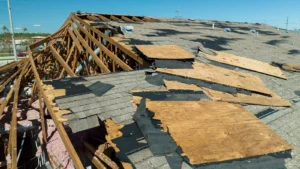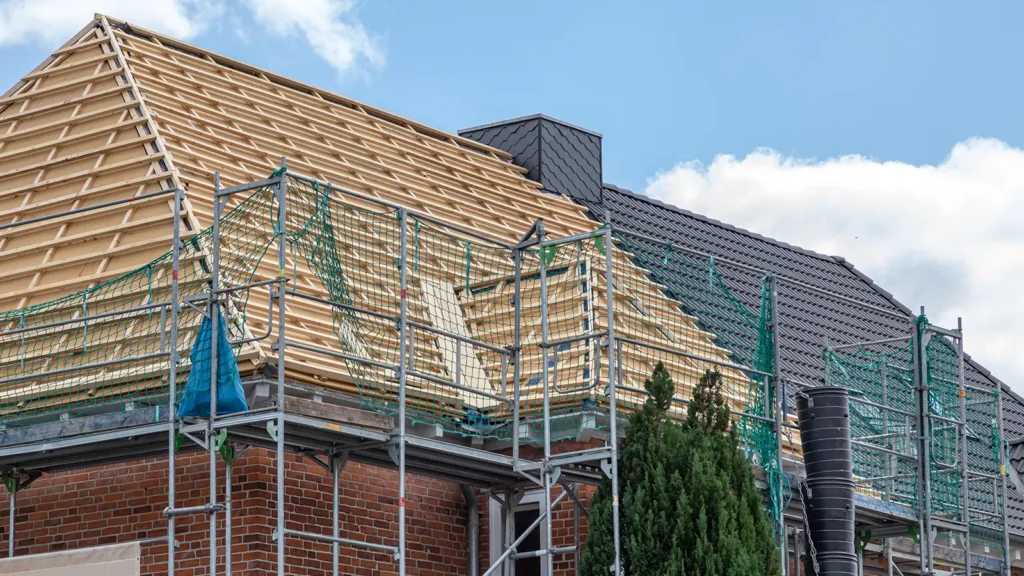
Financing a new roof can feel overwhelming, especially when repairs or replacement cannot wait. Understanding the financing options helps homeowners compare loan types, monthly payments, interest rates, and repayment terms so they can protect their home without straining their budget.
Key Takeaways:
- Home equity loans and HELOCs often provide lower interest rates for large roof replacement projects
- Personal loans offer fast funding and fixed monthly payments without requiring home equity
- Roofing company financing can simplify approvals for urgent roofing repairs and replacements
- Comparing APRs, repayment terms, and total loan costs helps homeowners avoid expensive financing mistakes
- Credit score, monthly budget, and loan terms all impact financing approval and long-term affordability
- Government programs may provide low-interest financing for income-eligible homeowners
- Insurance claims may help reduce out-of-pocket roof replacement costs after storm or hail damage
- A professional roof inspection helps determine whether roof repair or full replacement is the better investment
Table of Contents
A new roof is one of the most significant and unpredictable investments a homeowner can make. When the cost arrives before the savings do, a financing solution bridges the gap.
The good news: flexible financing options have never been more accessible. This guide breaks down the major options, explains how to compare them, and walks you through the application process.
How Much Does a New Roof Cost?
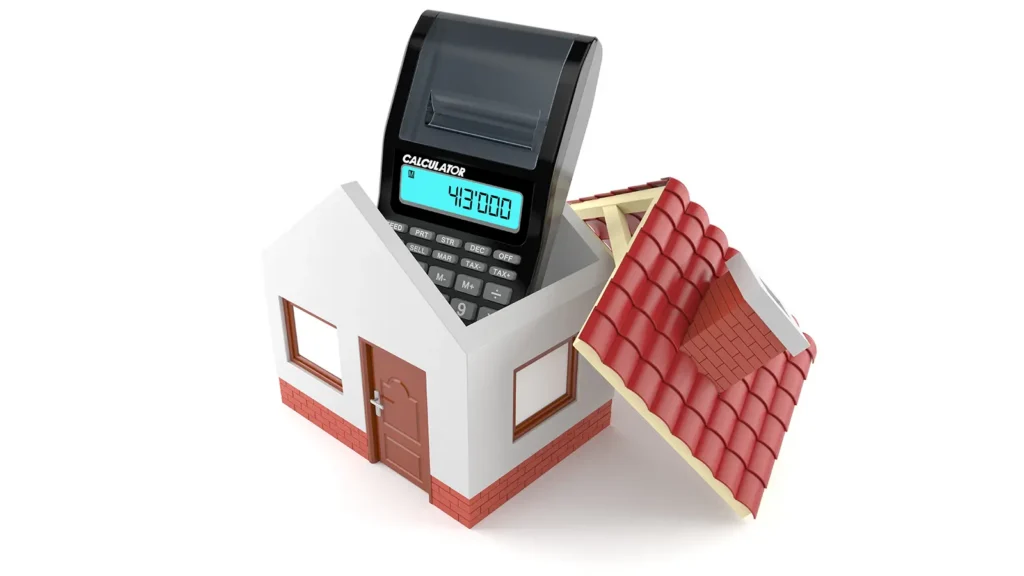
Before choosing any roof financing options, it helps to know what you are financing. The national average cost of a roof replacement ranges from $9,000 to $12,000 for a standard asphalt shingle system on a typical single-family home. Larger homes, complex roof geometries, or premium materials can push the total above $20,000.
Several variables affect the final price:
- Roofing material (asphalt shingles, metal, tile, or slate)
- Roof size and pitch
- Condition of the decking beneath the shingles and whether repairs are required
- Local labor rates and regional material costs
Getting at least three detailed, itemized estimates from licensed roofing contractors before applying for financing is the right starting point. Those estimates give you a reliable number to borrow against and serve as documentation some lenders require during the loan application process.
Roof Financing Options at a Glance
The table below summarizes the key attributes of the major roof financing options to help you identify the right fit for your situation.
| Financing Option | Typical APR | Funding Speed | Collateral | Best For |
| Home Equity Loan | 6% to 9% | 2 to 6 weeks | Yes (home) | Large replacements |
| HELOC | Variable, 7% to 10% | 2 to 6 weeks | Yes (home) | Phased or uncertain-cost projects |
| Personal Loan | 8% to 36% | 1 to 5 business days | No | Small to mid-size repairs |
| Roofing Company Financing | Varies widely | Same day to 1 week | Sometimes | Convenience; fast decisions |
| Cash-Out Refinance | Current mortgage rates | 4 to 8 weeks | Yes (home) | Homeowners refinancing anyway |
| Credit Card (0% promo) | 0%, then 20%+ | Immediate | No | Small, quick-payoff projects |
| Government Programs | 1% to low rates | Varies | Sometimes | Income-eligible homeowners |
Home Equity Loans and HELOCs for Roof Financing
For homeowners who have built meaningful equity, tapping it is often the most cost-effective way to finance a roof replacement.
Home Equity Loan
A home equity loan provides a lump sum at a fixed interest rate, repaid in equal monthly payments over a set term, typically 5 to 20 years. Because the loan is secured by your home, lenders offer lower interest rates than unsecured alternatives. The fixed rate and predictable monthly payment make long-term budgeting straightforward.
HELOC (Home Equity Line of Credit)
A home equity line of credit functions more like a credit card tied to your home’s equity. You draw funds as needed during a draw period, usually 10 years, then repay the balance during a separate repayment period. HELOCs carry variable interest rates, which means monthly payments can change over time. This option works well for projects with uncertain final costs or work that unfolds in phases.
Advantages: Lower interest rates, larger available amounts, and interest may be tax-deductible (consult a tax advisor).
Disadvantages: Your home serves as collateral; closing costs and appraisal fees may apply; funding typically takes 2 to 6 weeks.

Personal Loans
Personal loans are a strong option for homeowners who lack significant equity or who need funding quickly. Because they are unsecured, no collateral is required. Approval is based primarily on your credit score and income.
Interest rates range from roughly 8% for borrowers with excellent credit to 36% or higher for those with lower scores. Loan terms typically run 2 to 7 years with fixed monthly payments. Funding can arrive in as little as one business day through online lenders.
Personal loans are best suited for small to mid-size repairs. For a full replacement, the higher interest rate compounding over a longer repayment period can significantly increase the total cost of the project.
Mr. Roof Financing Options Explained
Many local roofing companies offer financing through third-party lending partners. You apply during or after the estimate appointment and often receive a decision the same day. The convenience is real, but so are the trade-offs.
Contractor financing sometimes carries higher interest rates or less favorable terms than what you could secure by shopping independently. Before signing, always request the written loan terms, including the APR, loan term, monthly payment amount, and any prepayment penalties. Compare those terms against at least one offer from an outside lender before committing.
Cash-Out Refinance
A cash-out refinance replaces your existing mortgage with a new, larger loan and returns the difference to you in cash. If your home has appreciated significantly, this can unlock a substantial sum at mortgage-level interest rates.
The central risk is that it resets your mortgage term. If you are 10 years into a 30-year mortgage and refinance into a new 30-year loan, you extend the total repayment timeline by a decade. A cash-out refinance makes the most sense when current market rates are equal to or lower than your existing rate, or when you are planning to refinance for another reason already.

Credit Cards and Promotional Offers
Some credit cards offer a 0% introductory APR period, typically lasting 12 to 21 months. If you can retire the full balance before the promotional period ends, you effectively receive interest-free financing.
The risk is significant. Once the promotional period expires, standard APRs of 20% or higher apply to any remaining balance. Credit cards are best reserved for smaller repairs where the full balance can realistically be eliminated before interest takes effect. Using a credit card for a full roof replacement without a clear payoff plan can result in substantial long-term interest charges. [CITATION 6]
Government and Assistance Programs
Several federal, state, and local programs offer low-interest or no-interest loans to income-eligible homeowners. The most widely available options include:
- FHA Title I Property Improvement Loan: Available through FHA-approved lenders; no home equity is required for loans under $7,500. A practical option for homeowners without significant equity.
- USDA Section 504 Home Repair Program: Offers loans and grants to very-low-income rural homeowners for essential repairs.
- State and local programs: Many states, counties, and municipalities administer weatherization and home repair assistance programs. Contact your local housing authority or a HUD-approved housing counseling agency for options in your area.
Eligibility requirements, available amounts, and timelines vary by program. These options are worth researching before taking on a higher-interest loan, particularly for homeowners on fixed incomes.

How to Choose the Right Financing Option with Mr. Roof
With several options in front of you, a few key factors help narrow the field.
Compare APRs, Not Just Monthly Payments
A lower monthly payment stretched over a longer term can cost significantly more in total interest. Use a loan calculator to compute the full cost of each offer over its complete term before deciding.
Check for Prepayment Penalties
Some lenders charge a fee if you pay off the loan ahead of schedule. This matters if you anticipate selling your home, receiving an unexpected sum of money, or refinancing later. Ask every lender directly and review the loan agreement before signing. If a penalty clause is present, request that the lender waive it.
Know Your Credit Score Before You Apply
Your credit score directly determines the interest rate you are offered. If your score is below 680, consider spending 60 to 90 days paying down revolving balances and disputing any errors on your credit report before applying. Prequalifying with multiple lenders lets you preview your rate without triggering a hard inquiry.
Build a Realistic Monthly Budget
Calculate how the proposed monthly payment fits into your full household budget alongside your mortgage, utilities, and other obligations. A longer loan term reduces monthly payments but increases total interest paid. Find the balance that works for your actual financial situation.

How to Apply for Roof Financing
The application process is straightforward when you are prepared. Follow these steps:
- Get at least three itemized roofing estimates. These documents confirm the scope of
- work and the amount you need to borrow. Some lenders require them as part of the application.
- Check your credit score. Review your credit report for errors and pay down high-balance accounts before you apply.
- Gather your documents. Most lenders require recent pay stubs, two years of tax returns, proof of homeownership, and a government-issued ID.
- Prequalify with multiple lenders. Prequalification uses a soft credit check and provides a rate estimate without affecting your credit score. Compare at least three offers.
- Complete the formal application and upload documents promptly. Most personal loan decisions arrive within one to five business days. Home equity products typically take two to six weeks due to appraisal and underwriting requirements.
- Review all disclosures before signing. Confirm that the APR, loan term, monthly payment, total loan cost, and any prepayment penalties exactly match what you were quoted.

Roof Repair vs. Full Replacement: How Project Scope Affects Your Financing
Not every roofing problem calls for a full replacement, and the distinction has direct implications for how you approach financing.
Isolated damage, such as a few missing shingles or a small flashing failure, typically costs $300 to $1,500 to repair. A personal loan or, in some cases, a credit card is often sufficient at that scale.
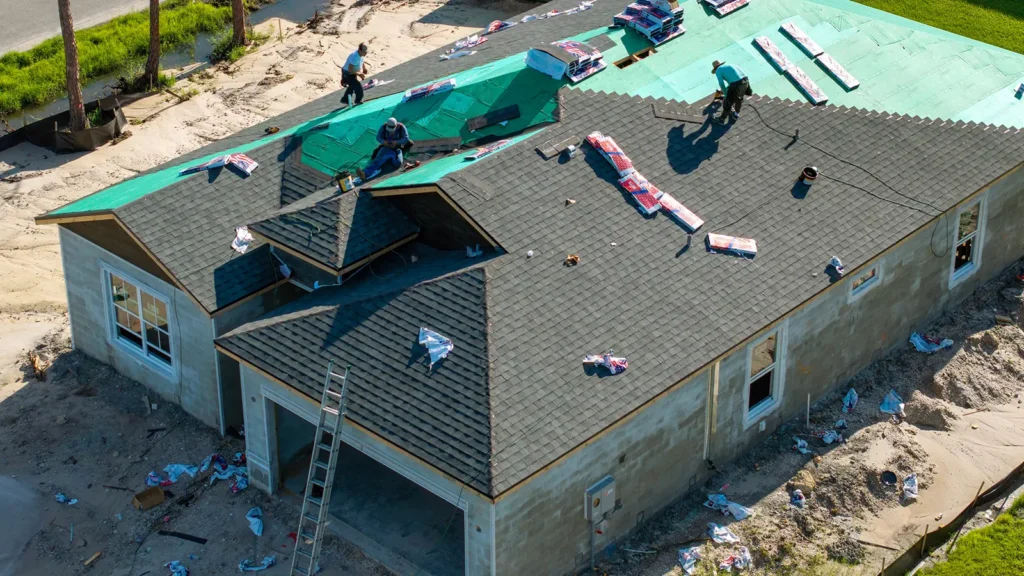
A full replacement involves removing the existing roofing system, inspecting and repairing the decking layer beneath, and installing new materials from ridge to eave. Costs start around $8,000 and climb based on material choice and roof complexity. This scope of work generally calls for a home equity loan, a competitively priced personal loan, or contractor financing with favorable written terms.
Before committing to either path, schedule a professional roof inspection. A qualified inspector can determine whether repair is a viable long-term solution or whether a full replacement is the more cost-effective choice over the next five to ten years.
Frequently Asked Questions
What credit score do I need to finance a new roof?
Requirements vary by lender and loan type. Personal loan approvals typically start around a 580 to 620 credit score, though the best interest rates go to borrowers above 720. Home equity loans generally require a minimum score of 620 to 680. Government assistance programs may have no credit score requirement at all.
How long does it take to get roof financing?
Personal loans through online lenders can close in as little as one business day. Home equity loans and HELOCs typically take two to six weeks due to appraisal and underwriting requirements. Cash-out refinances can take four to eight weeks. Roofing company financing can sometimes be approved the same day as your estimate appointment.
Can I finance a roof with bad credit?
Yes, though your options are more limited and interest rates will be higher. Some roofing company financing partners work with lower credit scores. FHA Title I loans do not require home equity for amounts under $7,500 and may be accessible to borrowers with challenged credit. A co-signer with a stronger credit profile can also improve your approval odds with many lenders.
Will homeowners’ insurance cover a roof replacement?
Homeowners insurance typically covers damage caused by sudden, unexpected events such as storms, hail, or fire. Damage from normal wear, aging, or neglect is generally not covered. Review your policy for its coverage type, replacement cost value (RCV) versus actual cash value (ACV), as this affects the payout amount. If your damage may be covered, file an insurance claim before taking out a loan.
Is roof financing worth it?
Financing a roof makes sense when the cost of delay outweighs the cost of borrowing. A failing roof can lead to structural damage, mold growth, and interior losses that cost far more than the roof itself. When a competitive interest rate is available, and the monthly payment fits your budget, financing is often the practical choice for protecting your home.
Get Started with Mr. Roof Financing
Financing a new roof does not need to be complicated. Once you understand your options, compare APRs across lenders, account for prepayment penalties, and build a monthly budget you can sustain, the right path becomes clear. Start with a professional inspection and detailed estimates, prequalify with multiple lenders, and read every loan disclosure before signing.
Ready to take the next step? The roofing experts at Crane Renovation Group are here to help. Whether you’re in Columbus, Ohio, and looking for the trusted team at Able Roofing and Exteriors, or in the Cleveland, Cincinnati, Louisville, or Nashville areas and ready to connect with Mr. Roof Home Exterior Experts, we’ll walk you through your financing options and get you a detailed estimate at no cost. Contact us today to get started.